

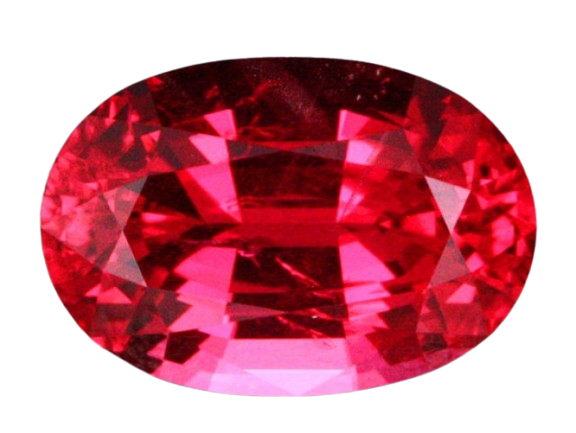
 Mahenge Spinel
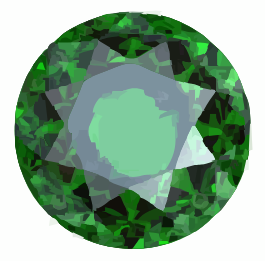 Emerald
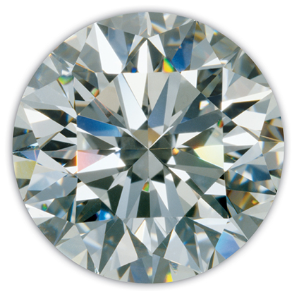 Diamond
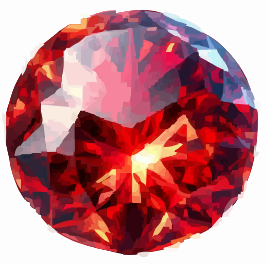 Ruby
Ruby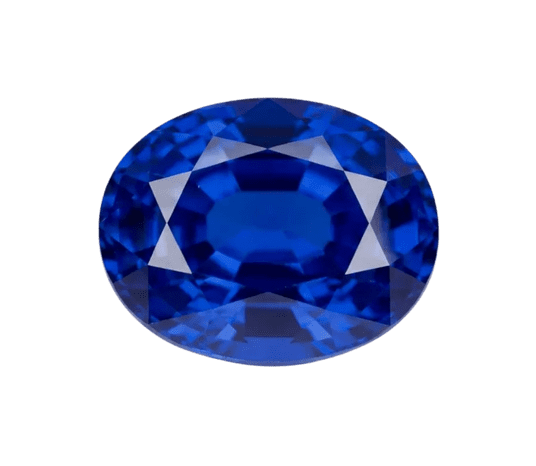 Sapphire
 Opal
Opal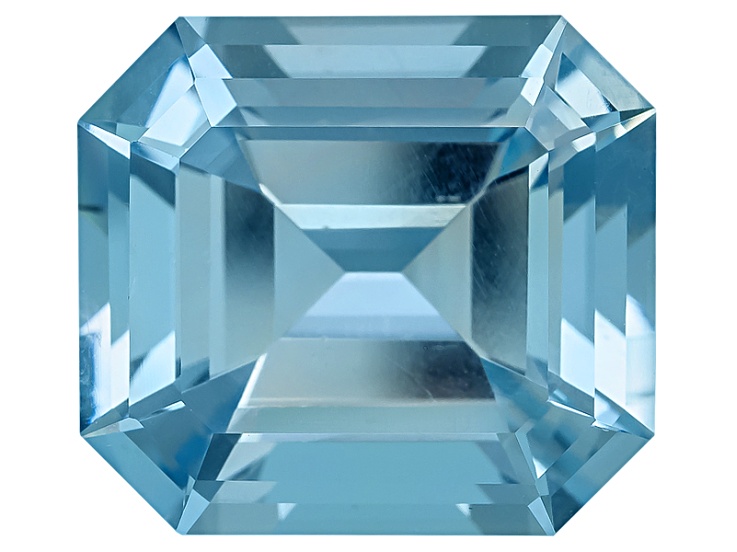 Tourmaline
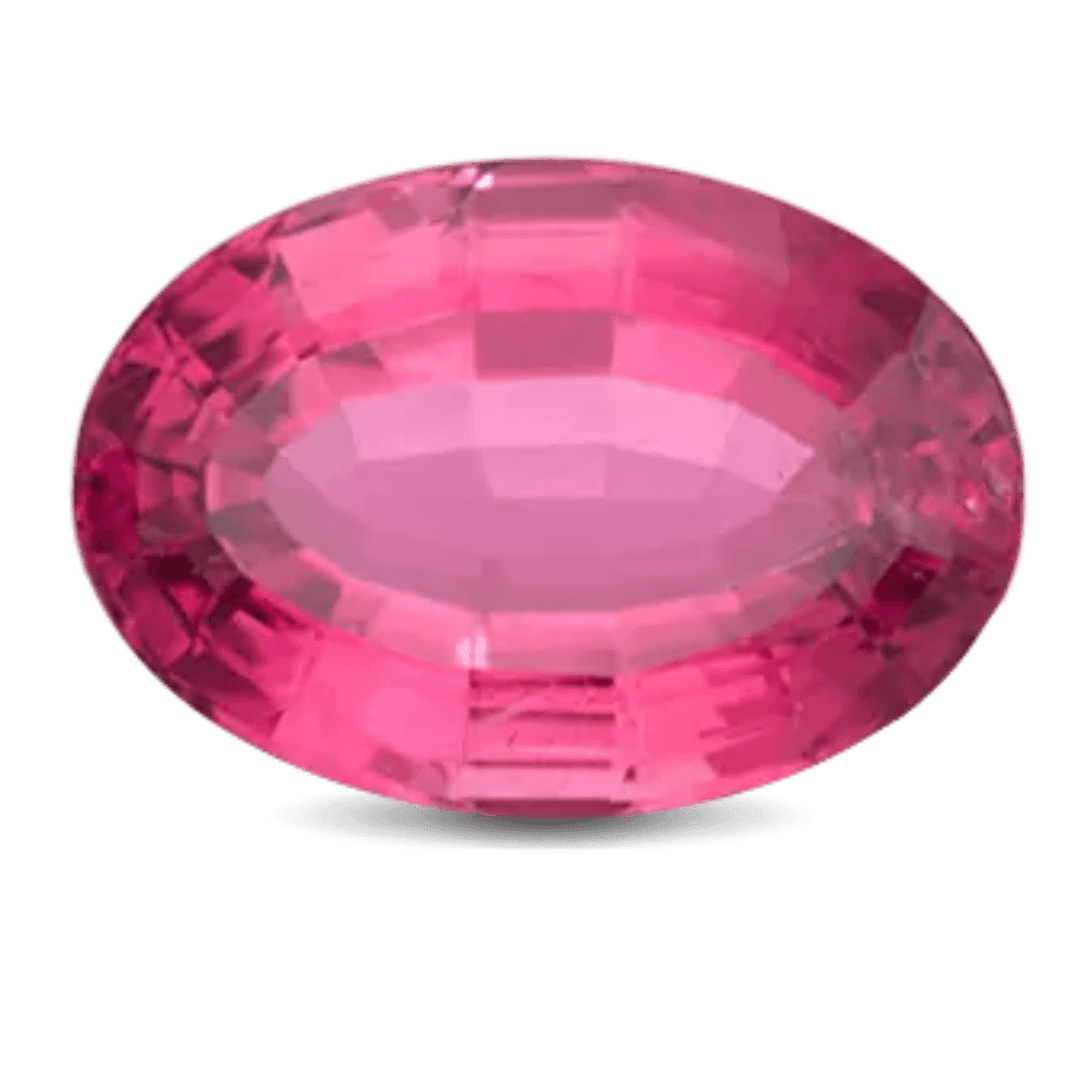 Aquamarine
Gemstone Buying Guide
A complete guide to choosing the perfect gemstone — from color to certification, crafted with clarity and care.
Buying a gemstone is a special experience. Whether you are choosing a stone for an engagement ring, jewelry piece, or investment, understanding the key qualities of gemstones will help you make a confident decision. This guide walks you through the most important factors — so you can choose with conviction and joy.
Color – The Most Important Factor
Color is the most important characteristic of most gemstones. A stone’s beauty and value are heavily influenced by its color quality.
Three aspects determine gemstone color:
- Hue: The basic color of the gemstone (red, blue, green, pink, etc.)
- Tone: How light or dark the gemstone appears
- Saturation: The intensity or purity of the color
Highly saturated stones appear vivid and vibrant. For example, the finest rubies display a vivid red color often called “Pigeon Blood Red.”

Clarity – Natural Internal Features
Clarity refers to the presence of internal features called inclusions or external blemishes. Most natural gemstones form deep within the earth, so inclusions are normal and often help confirm authenticity.
Some gemstones are expected to have inclusions:
- Emeralds commonly have visible inclusions
- Rubies and sapphires may contain small crystals or silk
A gemstone with fewer visible inclusions generally has higher value, but clarity expectations vary by gemstone type.

Cut – How the Gemstone is Shaped
The cut determines how well a gemstone reflects light and displays its brilliance.
A well-cut gemstone will:
- Reflect light evenly
- Show strong brilliance
- Display good symmetry
Popular gemstone cuts include:
 Round
Round  Oval
Oval  Cushion
  Emerald
  Pear
Pear  Radiant
 A good cut enhances the gemstone's beauty and maximizes its sparkle.
Carat Weight – Size of the Gemstone
Carat refers to the weight of a gemstone.
1 carat = 0.2 grams
Larger gemstones are rarer and typically more valuable, but quality is often more important than size.
A smaller gemstone with excellent color and clarity can be far more valuable than a larger stone with poor quality.
Natural vs Treated Gemstones
Many gemstones undergo treatments to improve their appearance.
Common treatments include:
- Heat Treatment – improves color and clarity
- Oil Treatment – used for emeralds
- Diffusion or Filling Treatments
Natural untreated stones are rarer and usually more valuable. Always purchase gemstones from a seller who clearly discloses treatments.
Certification
A gemstone certificate from a recognized gemological laboratory verifies authenticity and characteristics.
Common information includes:
- Gemstone type
- Carat weight
- Color
- Clarity
- Treatments
Certification provides confidence and transparency when purchasing gemstones.

Choosing the Right Gemstone for Jewelry
Different gemstones suit different jewelry styles.
For everyday rings:
- Sapphire
- Ruby
- Spinel
For statement jewelry:
- Emerald
- Aquamarine
- Tanzanite
For collectors:
- Rare spinels
- Unheated rubies
- Natural sapphires
Durability is important for pieces worn daily.
Buy From a Trusted Source
When purchasing gemstones, always choose a trusted and transparent seller.
- Clear gemstone descriptions
- Certification when available
- Honest treatment disclosure
- High-quality photos or videos
A reputable gemstone dealer will always prioritize education, transparency, and customer confidence.
Your Perfect Gemstone Awaits
Choosing a gemstone should be an exciting and meaningful experience. By understanding color, clarity, cut, and carat weight, you can make a more informed decision. Select a gemstone that truly speaks to you and reflects your personal style and purpose.
At Aleeze Gems, we carefully select gemstones known for their beauty, rarity, and authenticity to help you find the perfect stone for your collection or jewelry.